Showing posts with label Austin Healey. Show all posts

Monday, April 6, 2015

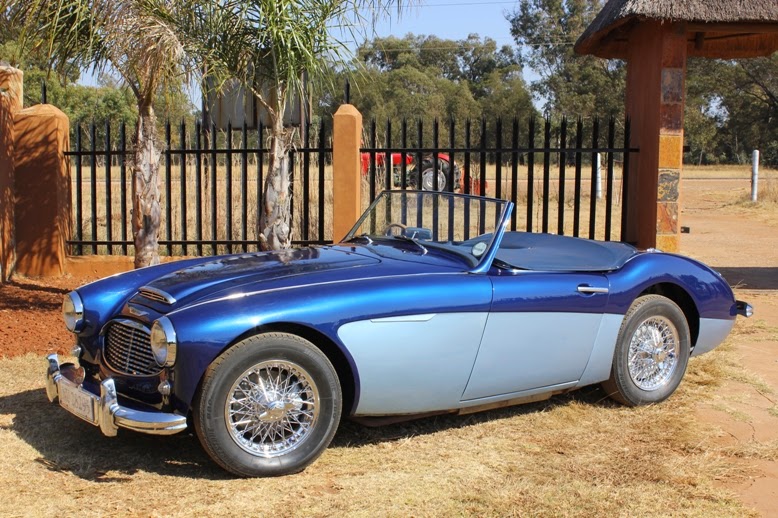
Car of the month April 2015 - 1960 Austin Healey 3000 MK.II 2-seater


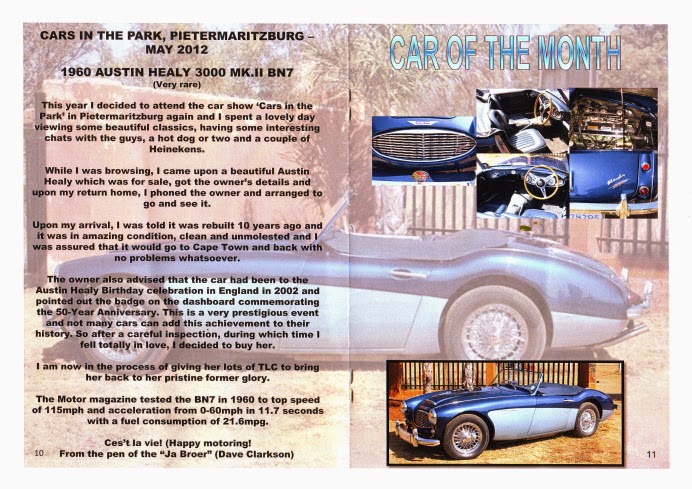
In May 2012 I decided to attend the car show ‘Cars in the Park’ in Pietermaritzburg again and I spent a lovely day viewing some beautiful classics, having some interesting chats with the guys, a hot dog or two and a couple of Heinekens.

While I was browsing, I came upon a beautiful Austin Healey which was for sale, got the owner’s details and upon my return home, I phoned the owner and arranged to go and see it.

Upon my arrival, I was told it was rebuilt 10 years ago and it was in amazing condition, clean and unmolested and I was assured that it would go to Cape Town and back with no problems whatsoever.

The owner also advised that the car had been to the Austin Healey Birthday celebration in England in 2002 and pointed out the badge on the dashboard commemorating the 50-Year Anniversary. This is a very prestigious event and not many cars can add this achievement to their history. So after a careful inspection, during which time I fell totally in love, I decided to buy her.

The Motor magazine tested the BN7 in 1960 to top speed of 115mph and acceleration from 0-60mph in 11.7 seconds with a fuel consumption of 21.6mpg.

Arriving home with my new acquisition!

In May of 1961 BMC upgraded their flagship model with three SU HS4 carburetors, modified valve springs and a new camshaft. Called the MKII, it was an alternative to the Triumph TR3A or Jaguar E-Type.
In many ways, the fun of driving a Healey is directly traceable to this transmission and its Laycock de Normanville overdrive. Running fast in third and fourth, using the overdrive switch like another shift lever, can be pure joy. The shift lever's action is stiff but accurate, and declutching to switch the overdrive in and out, though quite unnecessary, results in crisp, fast shifts that are a delight to the ear and the seat of the pants. The ponderous nature of all the controls is a factor which lends a kind of appealing massive masculinity to the car. Again, this is traditional, harking back to those days when sports cars were meat for men only and the ladies rode reluctantly if at all or, better yet, stood timidly and admiringly by the side of the road.


This car has a 2 door convertible/cabriolet type body with a front located engine powering the rear wheels. Its 6 cylinder, overhead valve naturally aspirated engine has 2 valves per cylinder and a capacity of 2.9 litres. It produces power and torque figures of 132 bhp (134 PS/98 kW) at 4750 rpm and 226 Nm (167 lbft/23 kgm) at 3000 rpm respectively. The engine powers the wheels through a 4 speed manual with overdrive transmission. It weighs a stated 1158 kg at the kerb. Maximum quoted speed is 181 km/h (112 mph).
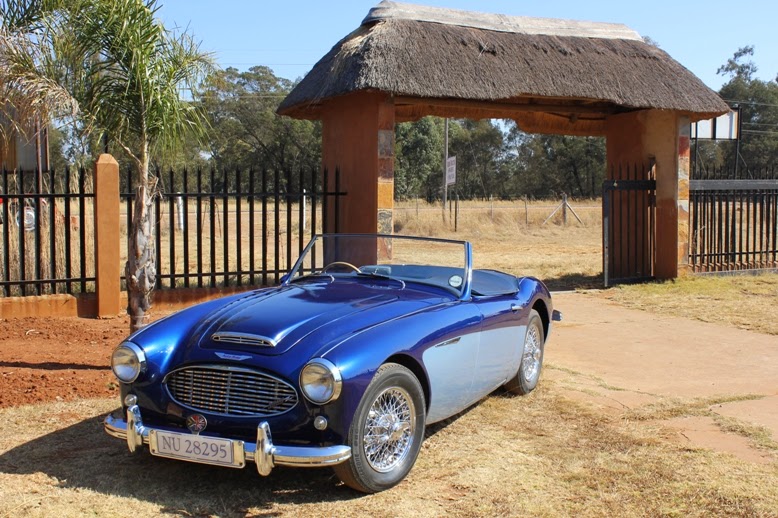

The Austin-Healey 3000 was introduced in 1959, replacing the Austin-Healey 100-6. Production of the MKII BN7 was very limited to only 355 cars. The BT7 4-seat roadster vastly outsold it at 5,096 units. A BT7 with hardtop and overdrive cost £1362 including the hefty British taxes. A total of 11,564 were made: 355 BN7 Mark II, 5,096 BT7 Mark II, and 6,113 BJ7.
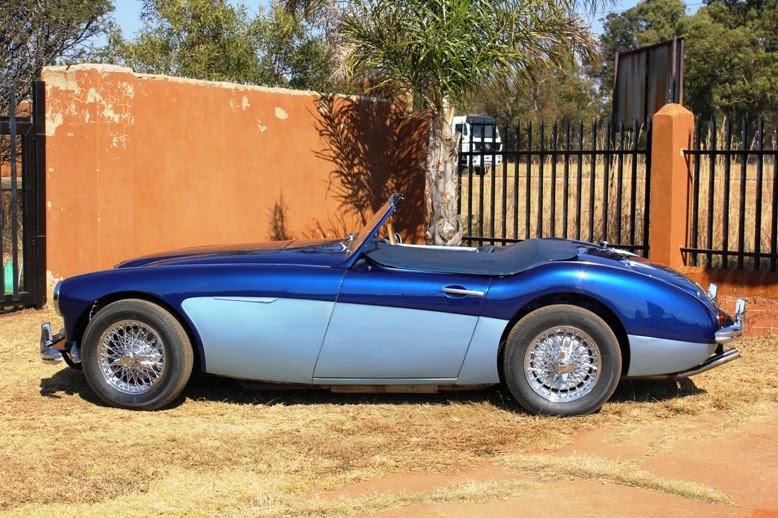

Introduced in March 1961 as the BN7 Mark II (2-seat) and BT7 Mark II (2+2), the 3000 Mark II series came with three SU HS4 carburettors and an improved camshaft. However, the triple SUs proved difficult to balance and were replaced with two SU HS6 upon the introduction of the BJ7 (2+2) model in January 1962. With its début the BN7 Mark II was discontinued in March 1962, and the BT7 Mark II in June 1962. Options on the MKII included 15x4 chromed wire wheels, a brake servo system and a tonneau cover that could be opened for just the driver.

1960 Austin Healey 3000 MK.II 2-seater
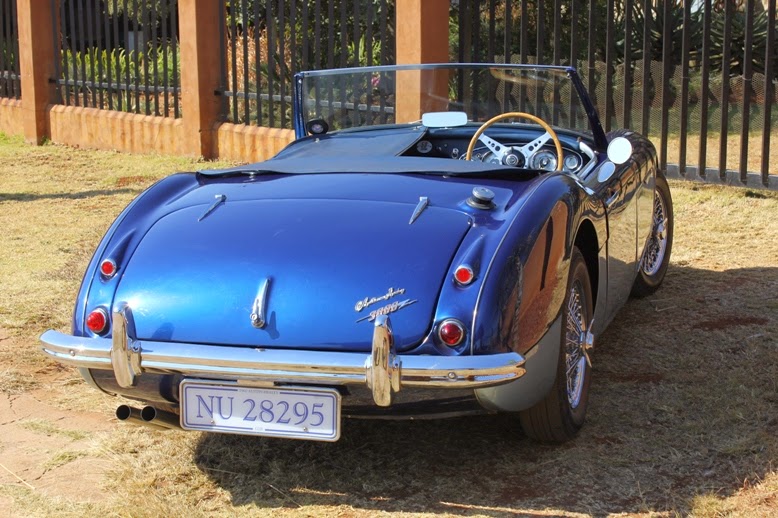
1960 Austin Healey 3000 MK.II 2-seater - rear view
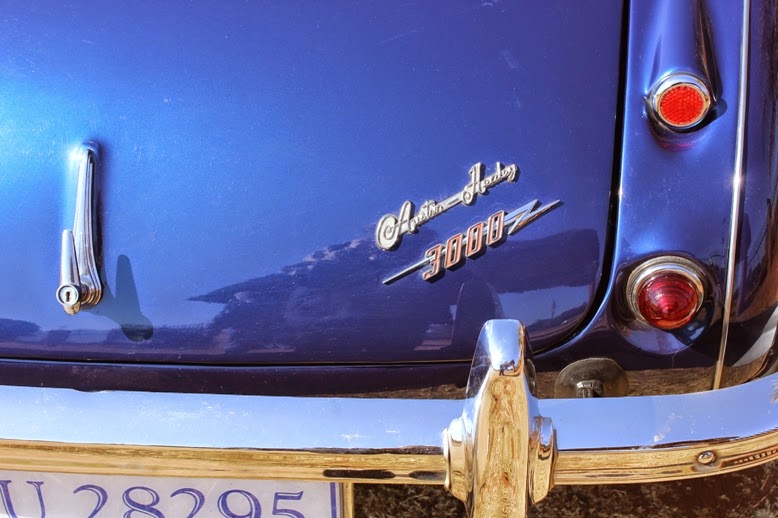
1960 Austin Healey 3000 MK.II 2-seater - badge

1960 Austin Healey 3000 MK.II 2-seater front grill
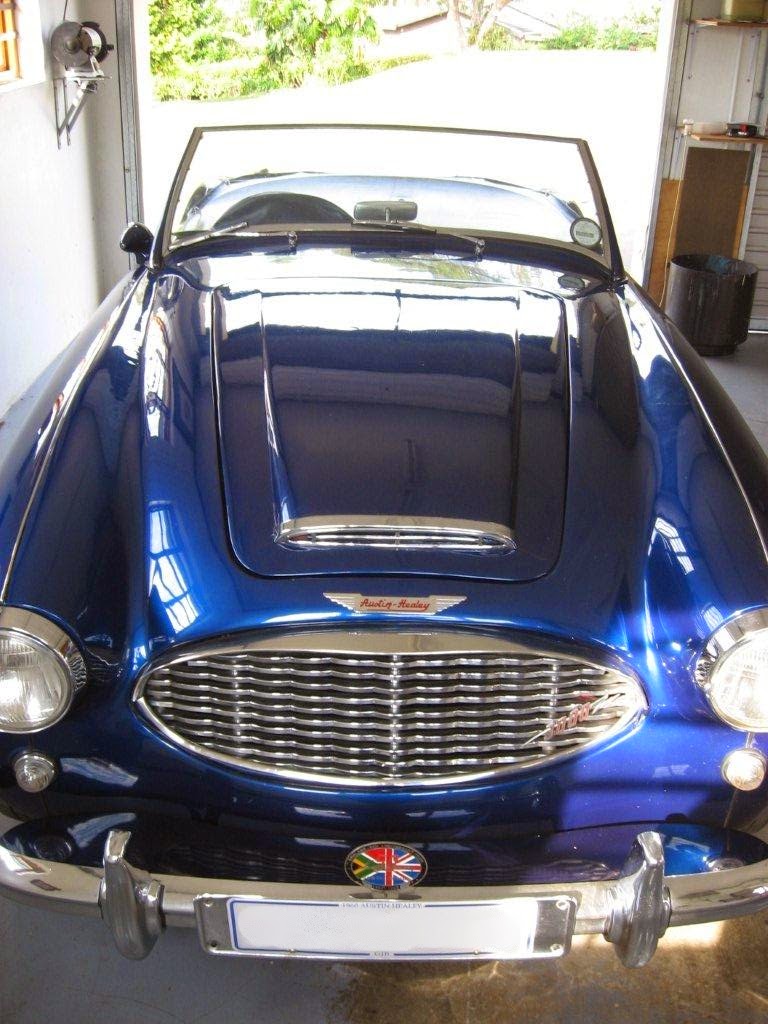
1960 Austin Healey 3000 MK.II 2-seater
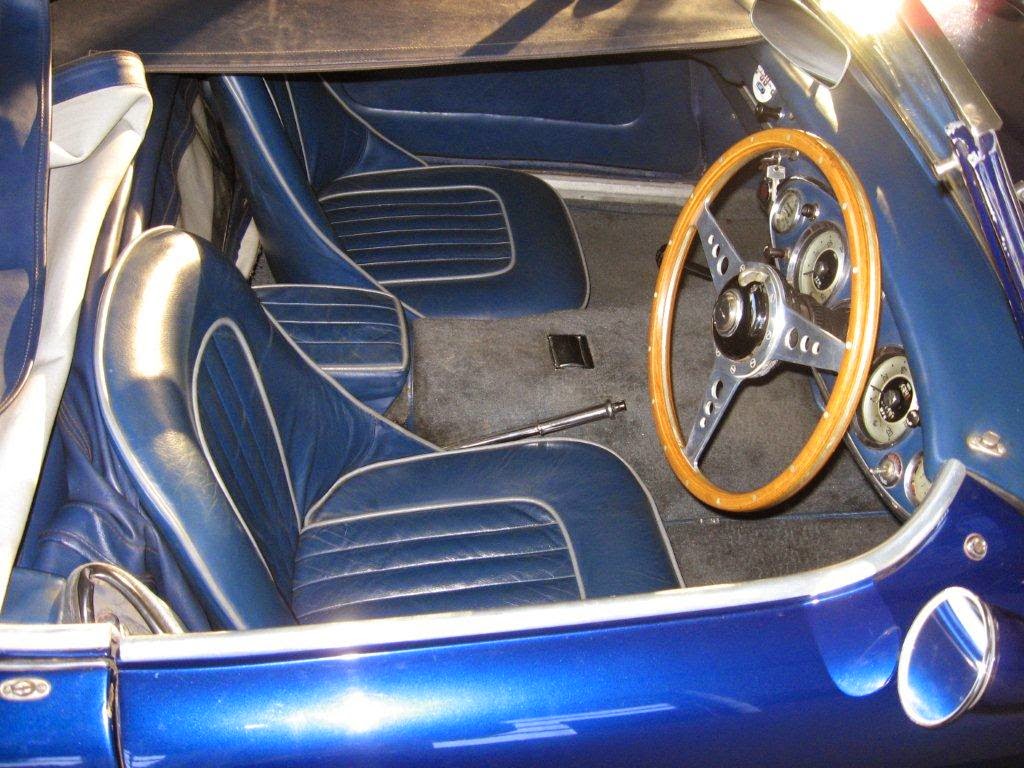
1960 Austin Healey 3000 MK.II 2-seater interior
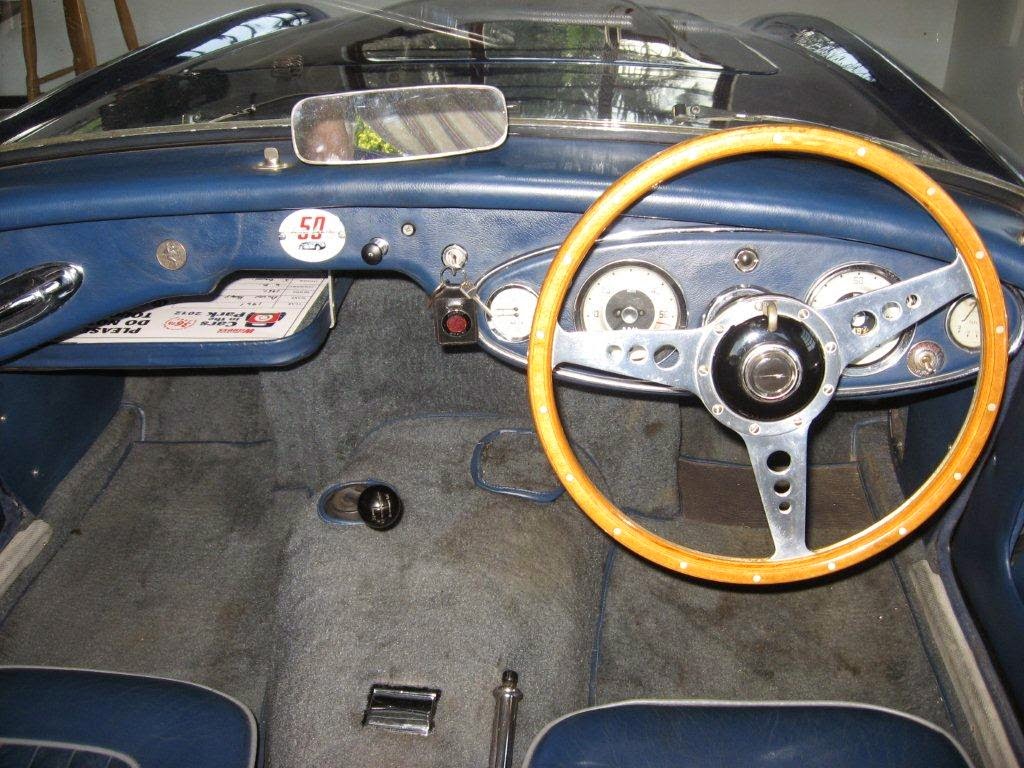
1960 Austin Healey 3000 MK.II 2-seater interior
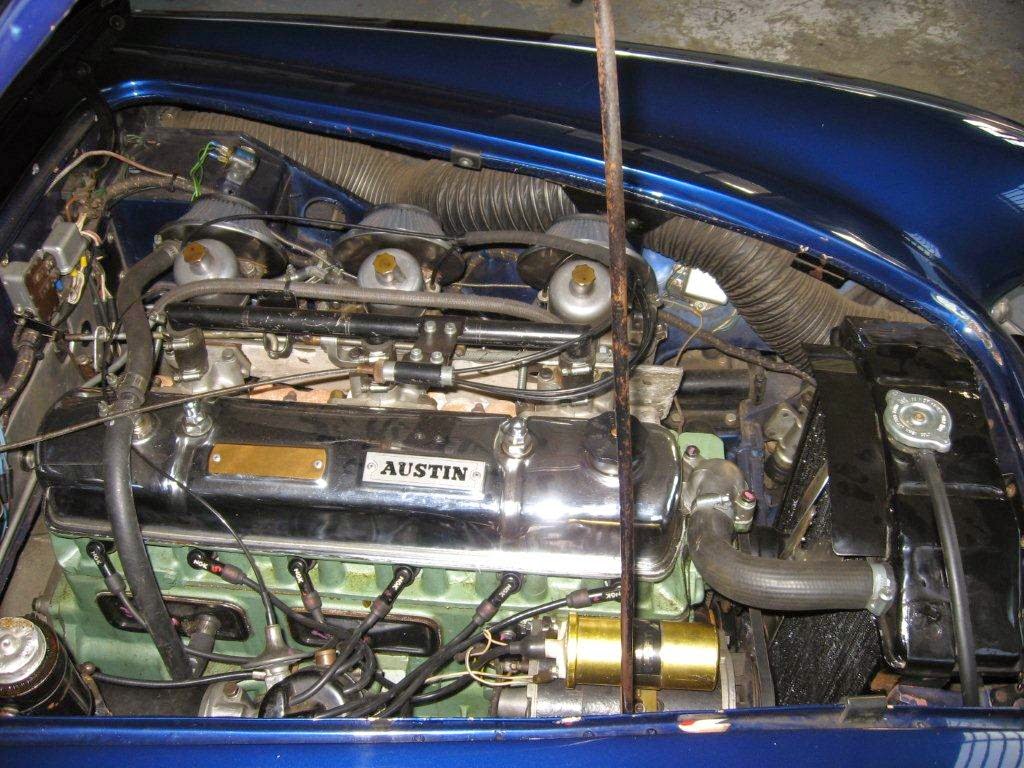
1960 Austin Healey 3000 MK.II 2-seater Engine bay

Austin Healey 3000's have a long competition history, and raced at most major racing circuits around the world, including Sebring (USA), Le Mans (France), and Mount Panorama Circuit, Bathurst (Australia). The BMC competitions department rallied the 3000 from its introduction, but the development of the works cars effectively ended in 1965, mainly because of the success of the Mini Cooper 'S'.

Ces’t la vie! (Happy motoring!) From the pen of the “Ja Broer” 
::

- by Be For

Tuesday, December 30, 2014

Happy motoring in 2015!


If you are the proud owner of a well-loved, well-used classic car, I hope you used it a lot this past year and didn't just think of it as your best investment. You’ve got to use them. If you don’t, they just become objects d’art, half the appeal has gone and they get very unreliable. And people love to see them on the road; they've come up and asked me so many questions this past year, I could barely get out at times.

Think of our roads, if you like, as one long ribbon of showcases for moving objects of desire. My message to all those rich investors out there is simple: share the love of motoring!

Happy New Year!

- by Be For

Friday, June 27, 2014

Car of the month - June 2014 - 1953 Austin Healey BN1 100-4 2-seater


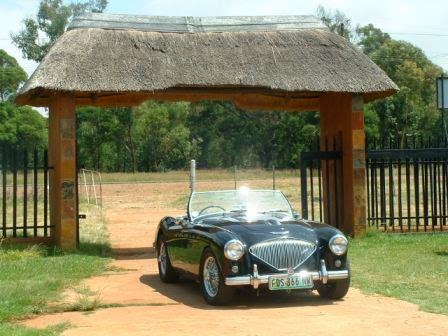
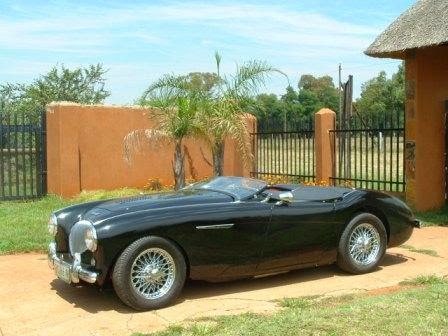
After expectantly waiting for 3 weeks for delivery of a 1953 Austin Haley BN1, it finally arrived in all its glory! Black with black leather interior and chrome wire wheels, it's a beaut!

In 1953, this Austin Healey was exported from the factory at Longbridge, Birmingham, UK, to California, USA and was brought back to South Africa in 1985, where it stood in a workshop for 12 years waiting for restoration.

It was bought by a sympathetic enthusiast and lovingly restored to its former glory, finally being finished in 2003 with Black paint and Cherry leather interior, chrome wire wheels and a modern 5-speed gearbox

 It was crowned a Concourse car in its club in Klerksdorp for several years and enjoyed a loving home with several other Austin Healeys, until now finally being acquired by us in March 2009.

Austin Healey with windscreen in normal position

 Austin Healey with windscreen in racing position

1953 Austin Healey Side View

1953 Austin Healey Side/rear view.

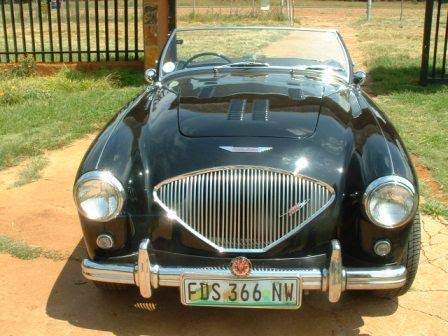
1953 Austin Healey grill

Trying out the seating!

Front view

 Austin Healey Sprite, 1953 Austin Healey BN1 and Tiger Moth

NAME : Austin Healey BN4 (1953-56)
ENGINE : In-line 4
CAPACITY : 2600cc
POWER : 100bhp
TRANSMISSION : 3-speed + over-drive
TOP SPEED : 100mph (160kph)

Production was from 1953 - 1956, when it was replaced by the BN4 100-6.

.

- by Be For

Monday, December 30, 2013

Happy New Year 2014!

1953 Austin Healley BN1 100

2013 has been an amazing year filled with some great motoring, club visits, meeting new motoring enthusiasts and checking out some great cars.

Cheers to 2014 and here's wishing you a wonderful and safe motoring 2014!

.

- by Be For

Friday, September 27, 2013

Evolution of the Classic Car movement


As the 20th Century drew to a close, we seemed to look back as much as forward, pining for what were, as we see it, better times. We can't revisit our Golden Age, but at least we can own and experience the material objects that evoke it : clothes, music, films, furniture and cars - classic cars. Glamorous, kitsch, humble or high bred, these mobile time warps powerfully conjure up a particular period.

NEW VINTAGE
The hobby of preserving and collecting cars built after the Second World War began to take shape in the early 1970's. Veteran (pre-1905), Edwardian (pre-1919) and Vintage (pre-1931) cars - as defined by Britain's Vintage Sports Car Club - have always been easy enough to categorise, but, by the end of the 1960's, post-war motor cars of the better kind were coming of age. To call them simply "old cars" no longer seemed appropriate : whether beautiful, fast or technically re-eminent, the post-1945 car had at its best all the gravitas of the pre-war machinery. Slowly, quietly, the "new Vintage" had arrived, filling the gap between Vintage and modern for a new generation of enthusiasts.

ABOVE : Classics so evocative as these - the AC Ace, Ferrari 166 and C-Type Jaguar - have always been in strong demand and are priced at a premium. 

One-marque clubs for well-bred sporting marques such as Aston and Bentley had been around for years, but as enthusiasts for the less exalted makes felt the need to huddle together around a common banner, many new guilds and registers sprouted. Traditionalists had long complained that modern cars all looked the same:, but in the 70's there was a gut feeling that the motor car had seen its best years as safety and pollution regulations made inroads into designers' freedom. Styling, particularly in Britain, seemed to be losing its way.

No wonder older cars began to look increasingly attractive. They were plentiful, cheap, easy to work on and still very usable on increasingly busy roads. Drive an old car and you made a statement about your individualism: you weren't prepared to become just another faceless, sterile tin can on the bypass to oblivion or obsessed with keeping up with the Joneses in the yearly new-model scrum. It all came together in 1973, when a UK magazine, Classic Cars, was launched.


The new "classic" stuck, a useful catch-all term for a sprawling, ill-defined genre that, in just 20 years or so, has blossomed from an eccentric past-time into a multi-million-pound industry.

Not much happened for about ten years, until about 1982-83, when the nature of the hobby began to change dramatically. Slowly, under the noses of true enthusiasts, market forces took hold as it dawned on investors that really prime machinery could prove a fine hedge against inflation or an appreciating asset. Suddenly, the market hardened as Americans came to Europe seeking prime collectables.

At first, gilt-edged pre-war hardware - Bentley, Bugatti, etc. - set the pace in auction rooms, but by mid-decade, super cars of the 50's, 60's and 70's were hyped on their coat tails. Once-affordable Ferraris, Astons and Jaguar XK's and E-types became "investor" cars, commodities too expense and precious to be driven (which was rather missing the point).

As the auction houses pulled even bigger numbers, hype went into over-drive. Banks and finance companies offered loans to buy classics. The increasing ranks of classic car magazines bulged with advertising. Enthusiasts' gentle hobby was turned into an ugly, cut-throat brawl driven by greed. Many found themselves with cars that were worth more than their houses, machinery they were now too nervous to use. The boom couldn't last, fortunately. the recession hit in 1989 and demand quickly fell.

A HOBBY AGAIN
Today the market is stable again and most cars are where they could be - with enthusiasts and enthusiastic investors. Rare and high-calibre thoroughbred cars - especially those with a racing pedigree or an interesting history - will always be in strong demand. Fashion still has its part to play in the lower echelons of the market, but those who bought Citroëns and Jaguars have learnt about the dedication required to run an old car - some went back to their moderns, others caught a life-long bug!

.

- by Be For

Monday, September 2, 2013

All British Field Meet - Portland Oregon


I drove my MGA out to the Portland All British Field Meet this weekend.  Because it's about a 45 minute drive from my house, I could have been high from the long exposure to burning oil smoke but I had a great time.  There weren't as many eye catching oddities as I thought there'd be but there were a few I saw that I thought I'd share.

The sun coming up over the tented land rovers was pretty cool.  Would love to have one of these someday.  What a fun rig!


This Bentley caught my attention for quite a while.  There's just something about these cars that make them one of the quid-essential in my book.  It's probably just because I read The Wind in the Willows too many times and Mr. Toad is one of my favorite literary characters. I wonder where Bentley went so wrong; they look like pimped out Chryslers now.


 If you take a look at the picture of the "suspension" you realize there can't be much because I can't imagine that brake line running from the frame to the wheel assembly has much flex.


Is there a better looking motor than an e-type?  Gotta love the polished valve cover and fuel injection on this one.


MGs dominated the show.  A really strong showing.  If you have any questions about your restoration I'm sure you can find the advice here.


The car below was runner up for best in show.  The honors couldn't have went to a nicer guy as Craig Cootsona was glad (literally) to answer questions and brought a stack of build sheets to handout if anyone wanted to copy his techniques/vendors/parts.  He said he's been working on this car since 2004 and just 6 weeks ago they "finished" it.  He's been building it with his father who was also in attendance.


Over at the track the Sovren vintage racers were having a blast.  Well, hopefully they were.  In comparison with other races, like the Oregon Trail Rally, these guys have no crowds, often get taken off the track for cars dying/running off the road, don't dice it up much, and have to race in groups with a number of other classes because there's not enough people to field many of the classes.  I'd still do it, but I'm not sure it's the most fun racing.  My friends that compete in the Pro3 class seem to have a lot of fun and do more actual racing.


In the area for "Other Marques" a few rarities (at least in the states) were in attendance.  I can't recall ever seeing any of the 3 cars below before.


Inside a big rolls royce someone had taken great pains to be as historically accurate as possible.


In the British car magazine you read often about how fun, and quick the Lotus Elan's are.  You don't realize why until you're standing next to it.  These cars are tiny and make the twin cam four mounted in it look big, especially those massive side-draft carbs.


Some fine Austin Healeys also helped fill the field.


This little red racer looked like a lot of fun!


Here's Pat Moss' rally car!  Pat Moss was so fast she would beat the men flat out and take 1st place.  I think it's funny to hear about Danica like it's some great movement for women when she's got nothing on Pat Moss 40 years ago.  These women (Pat and her navigators) were classy too!  I've read that their appearance was important to the factories image so they'd quickly clean up at checkpoints to make sure they looked good when their pictures were being taken.


Ok, after ogling this car for at least 10 minutes I got to talk to the owner.  He admitted he was buffaloing me and this car was just a beat up old Healey he bought for $9500 and didn't want to spend $20k restoring.  I'm impressed.  He did a great job recreating a beat up rally car!


There were some fine looking big cats in attendance too.


Again, I couldn't help taking a picture of an e-type motor.


This little MGC was the only B/C in attendance wearing it's hard top.  These hard tops are great and compliment the MGB shape well.  I'd even go out on a limb and say MGBs look best with these tops on.


The cleanest MGB in attendance was a nice little blue one with a supercharger.  A really clean car!


As an MGA owner, I'm naturally drawn to them and there were some great examples in attendance.


Elvas were built with MGA motors but had upgraded suspension and a fiberglass body.  The body shape is unique and may not be for everyone but, unless Elva got the suspension geometry completely wrong, they must be fun to drive.


One of the most impressive cars in attendance was this all original 2nd owner (same family) car.  The original owner (who passed in 2010) used this car hard.  The current owner (a nephew) has 10 boards full of rally pins.  Great to see!  The owner says he's continuing to rally it in the Klamath Falls area.


What I want to know is, where is the dealership to test drive these little Morgans?!


Hiding over with the Jaguars was this early MG.  Most striking was it's straight shifter pattern.


If you registered early for the event you could post a picture of  your car for the program.  You can find those pictures at - http://www.abfm-pdx.com/2013/registered_vehicles.

In the pits was this Fangio South American racer replica.  At least I'm assuming it was a replica.  There was some serious money in the pits though so it may not be a replica!  It seems a little too nice for a '39 South American race car though.


Sunday morning kicked off the swap meet.  Kellie and I brought down some of the junk laying around my garage and made our gas money back for the two days!


The cars for sale seemed to be going fast and there were some neat ones to buy.  The british pickup below was my favorite being offered.  I've never seen anything quite like it.


This MGA parts car was going for a grand!


This sprite had been there minutes when a sold sign was put on its windshield.


I came out pretty well, found some stuff I needed for a total of $57.  Can't get much for $57 these days!


The 2013 All British Field meet was a great success with a lot of interesting and great looking cars attending.  Throw in some racing action and a swap meet and you've got a great weekend.  I also didn't manage to get pictures of the many events that were for charity (autocross, slalom and land rovers giving rides through the motocross track) but they added a touch of class to the event.  In comparison to the american hot rod shows there is an air of bravado that is missing at these British events, for better or worse.  Old Nigel just doesn't have the same attitude as the American's raised in the sixties.  Somehow this equates to cars that turn, instead of going fast in a straight line... and less Harley t-shirts/vesties (score a big point for the British on the last one).

- by Be For